Offices For Lease and Office Space for Rent | 777 Properties

Property Type

Offices For Lease

1 to 5 out of 5 properties

Convenient Access to I-95 and Turnpike. Located in High-Traffic Location.

Office for Rent

A Guide to Renting Office Space

Acquiring the right office space as a hub for operations can be a business's most impactful choice. It’s not only about locating a place for your team to work—it’s about finding a setting that supports productivity, reflects your brand, and fits within your budget. Many businesses today weigh options between traditional office suites for rent and flex office spaces for rent, considering lease terms, amenities, and location. For some, the question arises: is it worth renting an office? The answer often depends on a combination of team needs, budget allocation, and long-term goals.

When exploring office spaces, understanding costs is critical. Knowing how much is rent for an office space in your area and additional expenses such as utilities and maintenance can help you avoid surprises. Renting an office typically involves more than monthly rent, especially if you’re looking for a fully serviced space or a high-profile location. For businesses of any size, finding the balance between cost and the value provided by the office environment is essential for sustainable growth and employee satisfaction.

This article explores the process of finding an office that fits, detailing how to assess different space options based on company size, amenities, and financial flexibility. Whether you’re a startup seeking a cost-effective solution or a large company with complex infrastructure needs, a straightforward approach to finding and budgeting for office space will help you make the right choice for your business and its future.

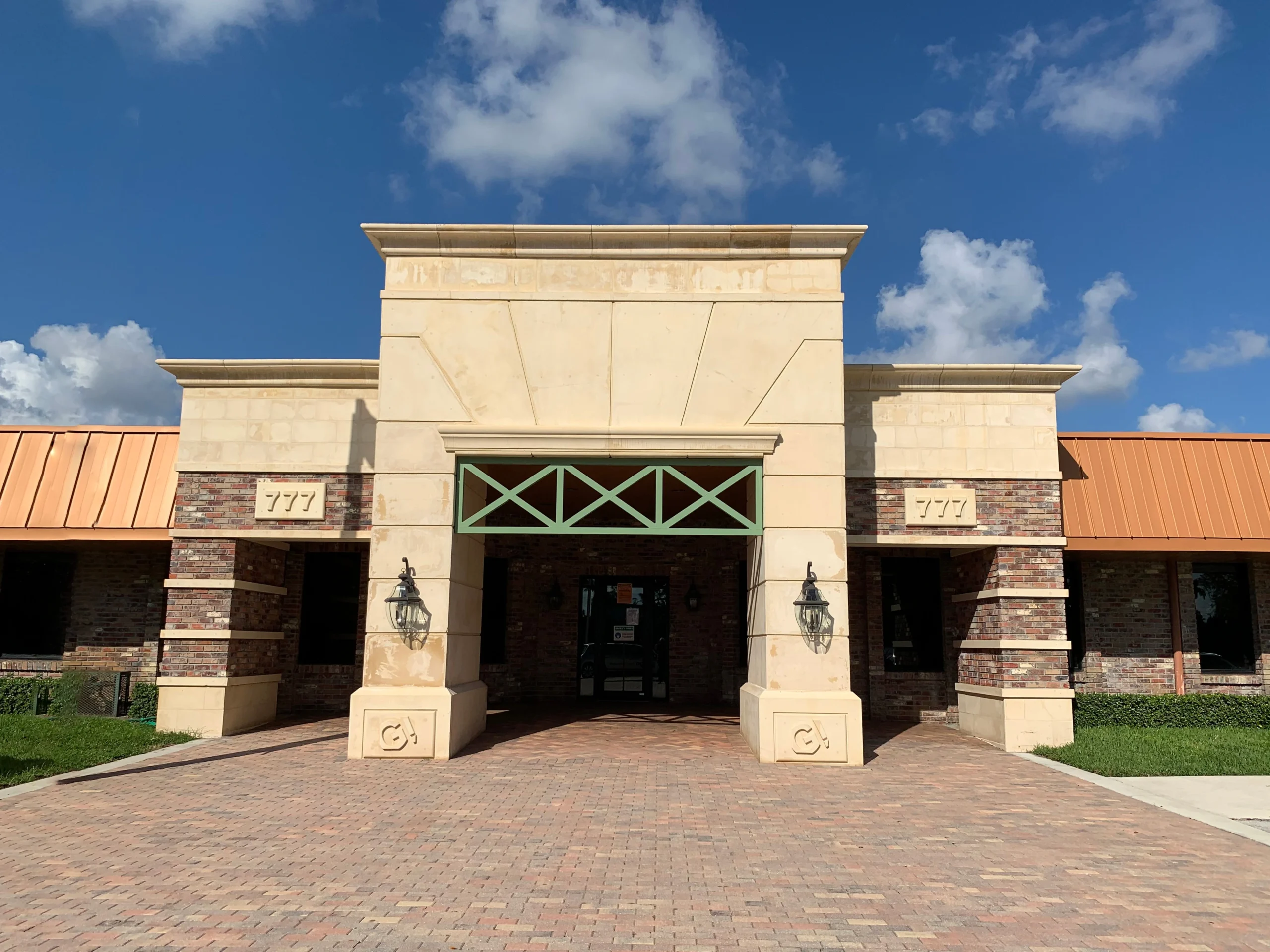
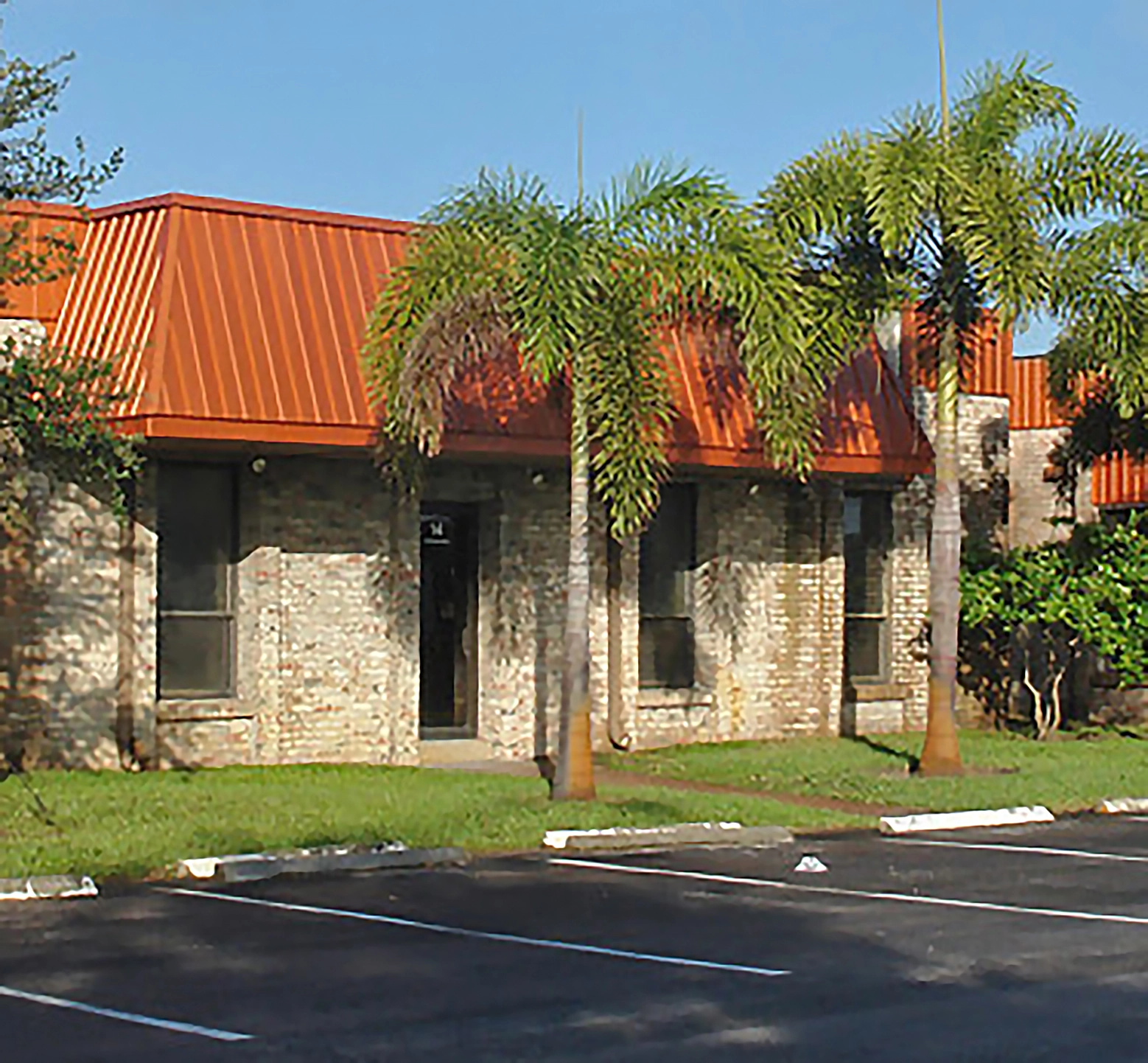
Front of the 777 building in Margate, FL

What to Look for When Renting an Office Space

Renting a suitable office space requires more than finding a physical location. You should also consider creating an environment that aligns with your business’s goals, size, and culture. Here are some key factors to consider when searching for a commercial office for rent—with insights tailored for small, medium, and large businesses.

  1. 01

    Pricing Considerations

    For small businesses, affordability and flexibility are essential things to consider. Look for office spaces with competitive rates, typically ranging from $20 to $40 per square foot annually, depending on location and amenities. In some cases, shared or co-working spaces can often reduce these costs, as utilities and amentities like internet or meeting rooms might be offered in the price. Without those inclusions, it’s important to calculate expenses correctly, so you have a large enough space within your budget.

  2. 02

    Space Requirements and Layout

    Small teams often benefit from flexible, adaptable spaces. A smaller office can reduce costs and encourage a close-knit environment, which can be ideal for collaboration. Consider open layouts that can be easily reconfigured as your team grows.

  3. 03

    Location and Accessibility

    A central, easily accessible location is vital for attracting clients and employees, but it doesn’t necessarily need to be downtown. Prioritize areas close to public transport or major roadways to make commuting convenient without the hefty price tag of a prime location.

  4. 04

    Flexibility of Lease Terms

    Startups and small businesses benefit from flexible leases, which allow you to upsize or downsize as your business evolves. Short-term leases—like one or two years—for offices or or co-working spaces may be ideal to avoid long-term commitments.

  5. 05

    Infrastructure and Technology Needs

    Small teams may not need extensive IT infrastructure, but reliable Wi-Fi, telecommunication services, and basic security are essential. If you lease a smaller, flexible office space, check for plug-and-play capabilities.

  6. 06

    Amenities and Perks

    Shared amenities, such as conference rooms, kitchens, and fitness areas, can be a great way to provide value to employees without additional costs. Co-working spaces may offer these perks, allowing you to save on individual expenses.

  7. 07

    Brand Image and Client Impressions

    Choose a location that reflects your company’s culture and is presentable for occasional client visits. Co-working spaces can provide modern, stylish spaces that create a good impression without the full cost of a private office.

  8. 08

    Safety and Security

    Small teams might not have complex security needs, but it’s still important to check if basic security measures—like keycard access, on-site security, or surveillance cameras—are in place.

How to Find Office Space for Rent

Finding a suitable office space for rent can be a pivotal move for your business, shaping your company culture, influencing productivity, and affecting your brand image. Here’s a guide to help you navigate the process step by step:

  1. 1. Define Your Needs

    Start by identifying what your business needs most from an office space. Consider factors like the size of your team, potential growth, the nature of your work, and any specific amenities required. Are private meeting rooms or collaborative spaces essential? Do you need dedicated areas for equipment or storage? Create a list of these necessities, as they will guide your search and help filter out spaces that don’t align.

  2. 2. Set a Budget

    Office spaces come in various prices, influenced by location, size, and available amenities. Determine your budget upfront, including rent and additional costs like utilities, maintenance, and potential furniture expenses. Having a clear budget range will help you focus on financially sustainable options.

  3. 3. Choose the Right Location

    Location can have a major impact on your team’s commute, client accessibility, and overall convenience for your business operations. Look for an area that suits your needs—consider proximity to public transportation, nearby dining or retail spots for employee convenience, and parking options. Many businesses search for “office space for rent near me” to find a suitable location in the area. Choosing a location that aligns with your brand can also enhance client impressions.

  4. 4. Explore Different Types of Office Space

    Office rentals range from traditional private offices to more flexible co-working options. If you prefer a dedicated space, look for traditional office buildings with leases suited to your business timeline. Co-working spaces can offer flexibility, short-term leases, and networking opportunities for a more dynamic setup or a smaller team.

  5. 5. Work with a Commercial Real Estate Agent

    Real estate agents specializing in commercial properties can simplify your search. They know the market, have connections with property managers, and can often identify listings that aren’t widely advertised. Communicate your needs and budget clearly so they can streamline options and negotiate on your behalf.

  6. 6. Visit Prospective Spaces

    Pictures can only show so much, so schedule visits to any spaces that meet your criteria. During these tours, pay attention to details such as natural lighting, noise levels, and the general condition of the building. Bring team members along to get their input and envision how the space could suit your operations.

  7. 7. Understand the Lease Terms

    Before committing, review the lease thoroughly. Be clear on the duration, renewal options, and any rent increases, maintenance, and improvements clauses. Don’t hesitate to negotiate or consult a legal professional if terms seem unclear or restrictive.

  8. 8. Plan Your Move

    Once you've signed the lease, create a moving plan that minimizes disruption. Coordinate with your team and consider any necessary renovations, furniture purchases, or technology installations beforehand.

How Much Should I Budget for Office Space?

Budgeting for office space is a significant decision that hinges on factors like business size, industry, and location. Many businesses allocate between 2% and 15% of their revenue to rent, with smaller or newer businesses often spending closer to 2-8% to conserve resources and maintain flexibility. Established companies might comfortably invest around 10-15% of their revenue, but this is not a strict number and many businesses spend a much lower percentage than these estimations. Finding the correct percentage depends on your financial goals and the value an office space brings to your team and clients.

  • 2–15%of revenue is what many businesses allocate to rent
  • 2–8%is typical for smaller or newer businesses
  • 10–15%is common for established companies
  • 125–250 sq ftper employee is a general planning rule
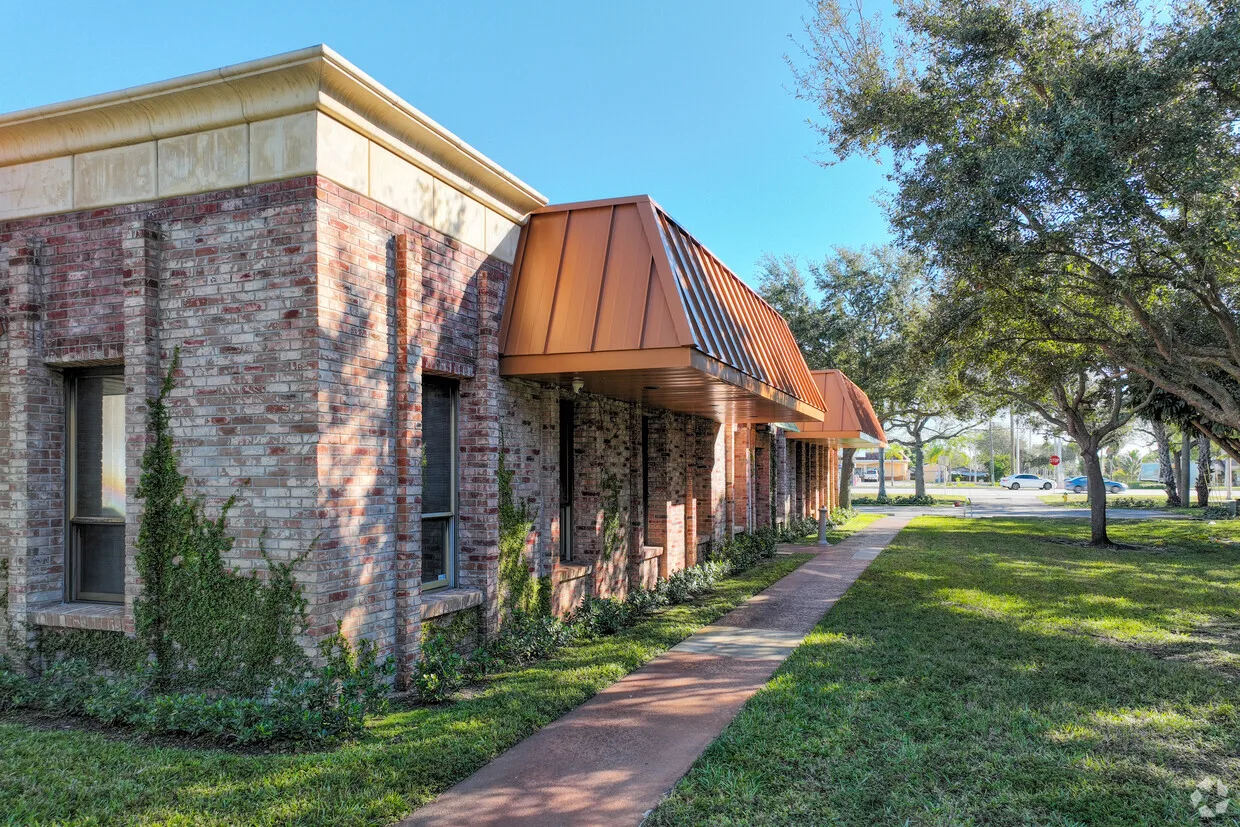
Office building exterior
  • Location and space per employee

    Location plays a significant role in determining costs, as rent can vary dramatically between city centers and suburban areas. Researching the average price per square foot in your desired location can help set realistic expectations. For planning purposes, a general rule is to estimate around 125-250 square feet per employee. However, this can fluctuate based on layout preferences—open-plan designs typically require less space than individual offices. It’s also wise to consider future growth, ensuring the space can accommodate new hires as your business expands.

  • Costs beyond rent

    In addition to rent, remember that an entire budget includes utilities, maintenance fees, furniture, and possibly parking costs if you’re in a high-traffic area. Are utilities included in rent for office space? Utilities for office space are not always included in the rent and vary depending on the lease terms and type of office building. In some cases, landlords bundle utilities like electricity, water, heating, and cooling into the rent, particularly in managed or co-working spaces, simplifying costs for tenants.

  • Utilities in traditional leases

    However, in traditional office leases, utilities are often billed separately, meaning tenants are responsible for these expenses on top of their base rent. This is closely related to whether or not it is a triple net lease. But it’s important to review your lease agreement to clarify what’s covered and to budget accordingly for any additional utility costs that might arise.

  • Co-working and flexible spaces

    Co-working spaces or managed facilities can simplify these expenses by bundling amenities like internet and cleaning services, which may appeal to businesses in early growth stages. Flexible office arrangements also offer short-term leases and shared resources, minimizing upfront investments and allowing you to adapt your budget more easily to fluctuating revenue.

  • Planning for growth

    Planning for growth is vital. As your business scales, your office space should expand with it. Choosing a location that offers flexibility—whether through scalable leases or neighboring units available for future rental—can ease the transition to a larger space. Factoring in potential rent increases is also wise, as many leases include annual adjustments. With these considerations, you can set a budget that aligns with your current operations and supports your long-term goals.

What Type of Cost is Office Space for Businesses?

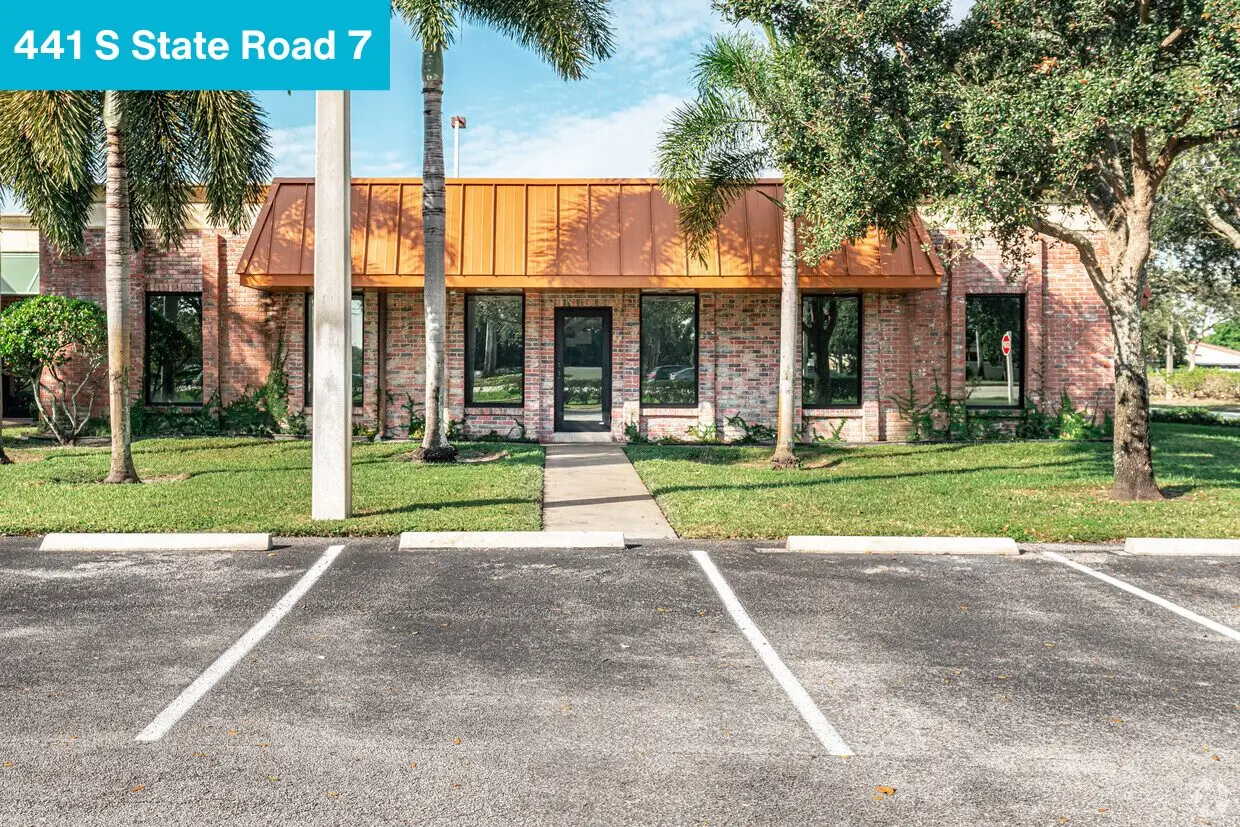
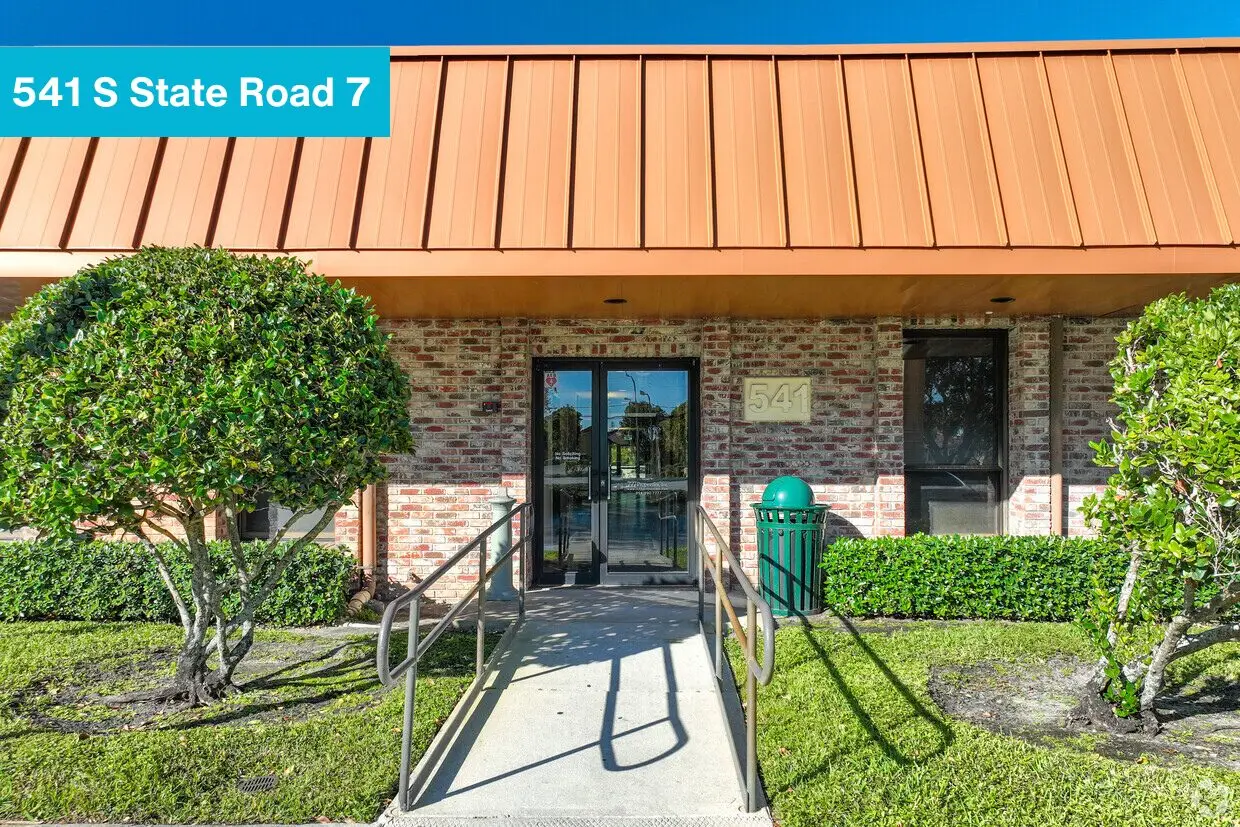
Front of the 541 South State Road 7 office building

Commercial office space for rent is generally considered a fixed cost for businesses, as it’s a recurring expense that doesn’t change significantly with fluctuations in production or sales volume. Unlike variable costs, which increase or decrease based on business activity, office rent remains relatively constant each month, allowing businesses to budget predictably.

However, while the base rent is usually fixed, associated costs can vary. For example, utilities, maintenance fees, and property taxes might shift slightly over time, especially in large or multi-tenant buildings. Despite these fluctuations, most companies still categorize office space as a fixed cost because the core expense—the lease itself—remains stable throughout the lease term.

In addition to being a fixed cost, office space can also be viewed as an overhead cost. It doesn’t directly contribute to producing goods or services but is essential for daily operations, providing a workspace for employees and a location for business activities. For many companies, office space is part of their broader overhead expenses, including utilities, insurance, and administrative costs.

Overall, office space is a foundational fixed cost that supports your business structure. It’s an investment in creating a productive environment, which impacts everything from team morale to client perceptions. It’s a critical element in operational budgeting and financial planning.

How to Calculate Monthly Rent for Office Space

If you're wondering how to calculate what percentage of your budget will go to your rent, start by determining the monthly rent cost per square foot. In commercial real estate, office rent is often quoted per square foot, annually or monthly. For example, if the rate is $25 per square foot annually, multiply this rate by the total square footage needed (say 1,000 square feet). This gives you an annual rent total, which you can divide by 12 to find the monthly amount. In this example, $25 per square foot for 1,000 square feet would amount to $25,000 annually or roughly $2,083 monthly.

Once you have the monthly rent, it’s time to see how it fits into your budget. Take your monthly revenue and determine what percentage will be dedicated to rent. If your business brings in $50,000 monthly, dividing your rent cost ($2,083) by your revenue ($50,000) and multiplying by 100 gives you the percentage of revenue allocated to rent. This approach helps you evaluate whether the rent cost aligns with your financial goals and industry benchmarks—most businesses aim for rent to be around 5-15% of their revenue, depending on size and location.

Be sure to account for additional expenses, like utilities, maintenance fees, or property taxes, if they aren’t included in the base rent. By considering these costs, you’ll have a more accurate picture of the monthly commitment required for your office space.

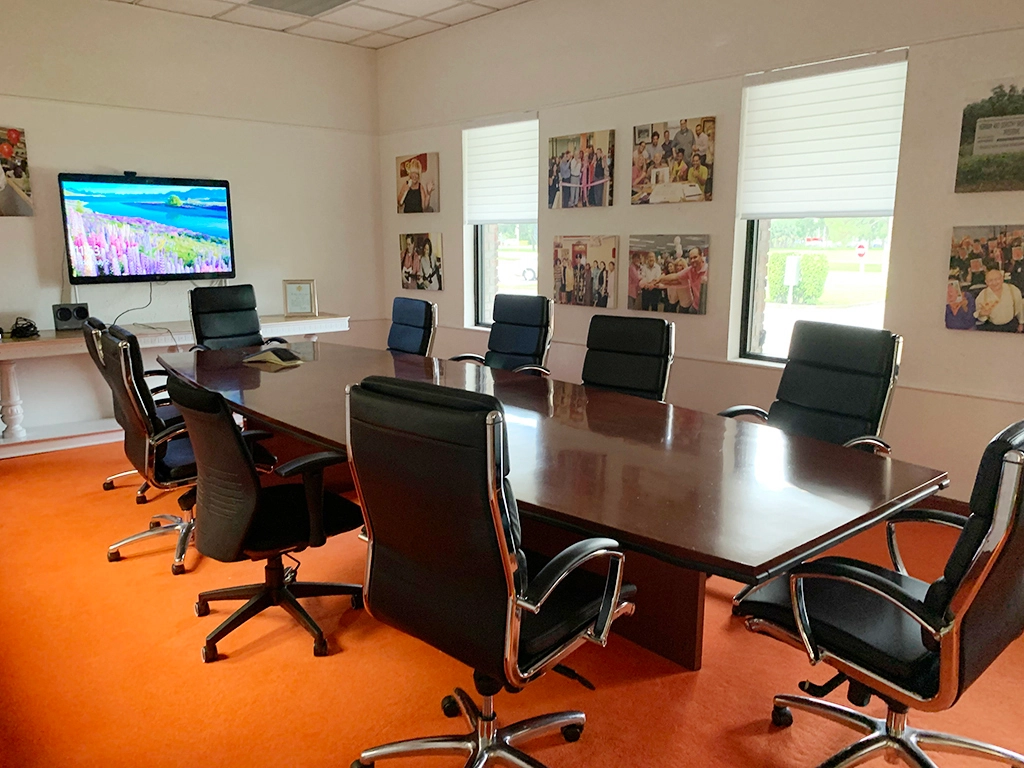
Interior of an office conference room

Found a space you like?

Contact us to schedule a tour, or call our leasing office.